



Course Content
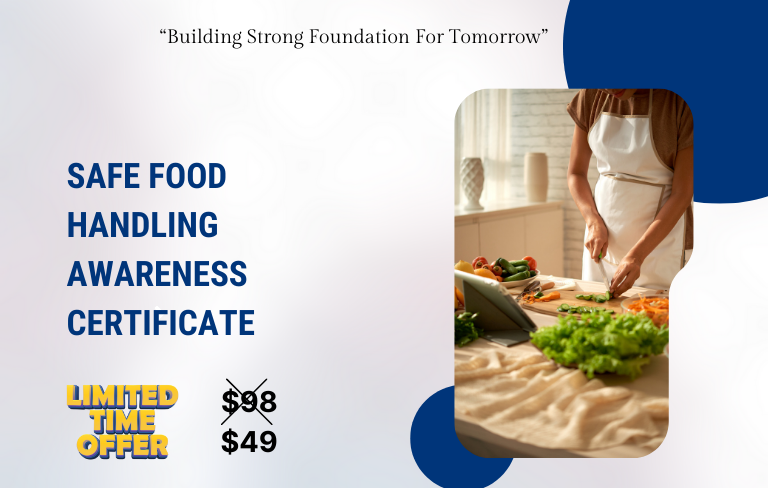
Module 1: Introduction to Food Safety
-
Introduction to Food Safety
09:43
Module 2: Personal Hygiene for Food Handlers
Module 3: Preventing Food Contamination
Module 4: Temperature Control and Food Storage
Module 5: Cleaning, Sanitising, and Waste Management
Quiz
A course by
Student Ratings & Reviews
Excellent
I recently completed the Safe Food Handling course, and I am extremely impressed with the quality of the content. The course was very insightful and clearly explained, making it easy to understand even the more detailed food safety requirements. I appreciated how each module was broken down into simple steps, with real-life examples that made the learning practical and relevant.
I just completed the Safe Food Handling course with ProPath Studies, and I’m honestly really impressed. The lessons were clear, easy to follow, and explained everything in a simple way that actually makes sense in real workplaces. I learned a lot about hygiene, contamination risks, and safe food practices that I can now apply straight away.
What I liked most is that the course was flexible, affordable, and perfect for beginners or anyone looking for job-ready skills in Australia. The certificate was issued instantly after completing the modules, which is a big plus when you're trying to apply for jobs quickly.
Highly recommend this course for students, newcomers, or anyone wanting to improve their chances in the hospitality or food industry. Great experience!
What I liked most is that the course was flexible, affordable, and perfect for beginners or anyone looking for job-ready skills in Australia. The certificate was issued instantly after completing the modules, which is a big plus when you're trying to apply for jobs quickly.
Highly recommend this course for students, newcomers, or anyone wanting to improve their chances in the hospitality or food industry. Great experience!
good
 Lessons: